Conformal coating: protection and reliability for electronic circuits
elettronica-industriale
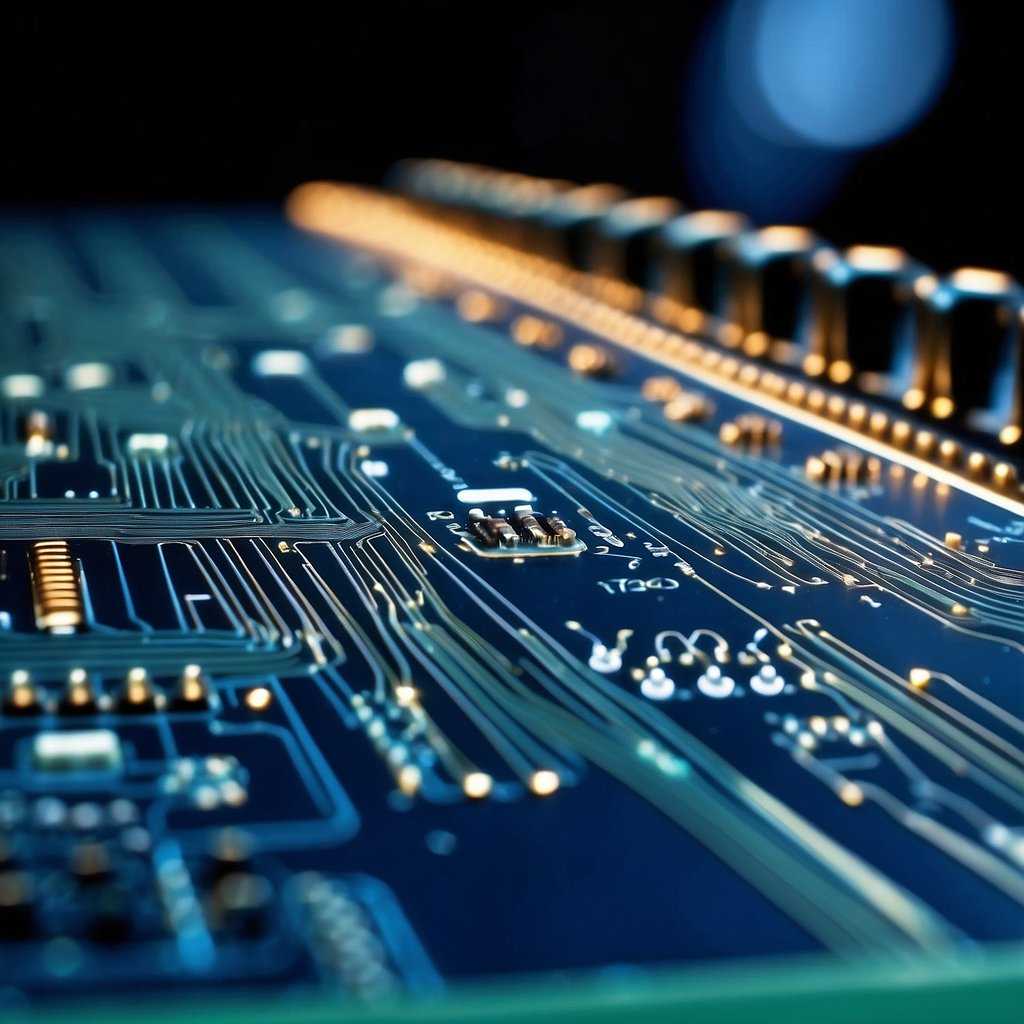
In electronics, protecting components is essential to ensure reliable performance over time. Conformal coating is a key practice to defend electronic boards (PCBs) from environmental aggressions such as moisture, dust, chemicals and temperature variations. This type of coating creates a thin, uniform protective barrier that covers the board and its components without compromising functionality.
Conformal coating can be applied using different materials, such as acrylic, polyurethane or silicone coatings. The choice depends on the level of protection required for the board’s operating environment. For example, silicone coatings are particularly suitable for extreme temperatures and are often preferred in high-thermal-stress applications.
Applying this kind of protection requires precision and care to ensure every area of the board is properly covered without interfering with electrical connectivity. Specialist companies such as CTA Electronics provide conformal coating services using advanced technologies to apply the coating selectively and with maximum accuracy. Using a professional service is crucial to achieve long lifetime and top performance for your electronic devices.
Types of conformal coating
Conformal coatings are used to protect electronic components from moisture, heat and chemicals. There are several types, each with specific characteristics to fit different application needs.
Acrylic
Acrylic coatings are known for fast drying and easy removal. They are used to provide general protection against moisture and physical damage. Chemical resistance is moderate, so they are suitable where exposure is to non-aggressive chemicals.
Silicone
Silicone coatings provide excellent heat resistance and are flexible, making them ideal for environments with large temperature swings. Their heat resistance makes them suitable for components operating at higher temperatures. However, silicones may not be the best choice in environments with exposure to caustic solutions.
Urethane
Urethane (polyurethane) coatings stand out for high chemical and abrasion resistance. They are recommended for protecting devices exposed to harsh environmental conditions, such as high humidity or industrial chemicals.
Epoxy
Epoxy coatings are known for robustness and excellent chemical resistance. They provide outstanding protection in environments with aggressive chemicals, but their use is limited due to rigidity and the difficulty of removal.
PCB preparation and cleaning
Preparation and cleaning are fundamental steps to ensure reliability and optimal performance. A printed circuit board (PCB) must be free from contamination before applying conformal coating.
Surface contamination
Surface contamination is one of the main causes of PCB failures. Contaminants include greases, oils, dust, metal particles and flux residues. These substances can:
- reduce the effectiveness of the conformal coating
- cause short circuits or alter the PCB’s electrical performance
Cleaning methods
To remove dirt and residues from the PCB surface, different cleaning methods can be used:
Manual cleaning
- using cloths or sponges soaked in solvents
- suitable for small batches or maintenance operations
Ultrasonic cleaning
- using ultrasonic waves in a dedicated cleaning solution
- effective for removing particles and stubborn residues
Spray cleaning
- applying solvents or cleaning agents through high-pressure jets
- suitable for uniform and fast cleaning on large PCB volumes
It’s important to choose a solvent or cleaning method that fits the type of contamination and the PCB materials.
Application methods
Conformal coating application methods are crucial to ensure effective protection. Choosing the right method depends on the application and production requirements.
Spray
Spray coating is a common method. You can use manual spray or automated spray. In the first case, operator control is key; in the second, you get higher uniformity and repeatability.
- Manual: more flexibility, but potentially less uniform.
- Automated: better uniformity, ideal for mass production but less flexible.
Brushing
Brushing is suitable when targeted application is needed. The coating is applied with a brush, providing good precision.
- Precision: useful for localised applications and manual touch-ups.
- Control: allows controlled management of coating quantity.
Selective coating
Selective coating uses dedicated equipment to apply coating only to the desired areas. This reduces waste and allows you, via a specific programme, to create targeted dispensing paths while leaving uncoated any areas that must not be covered.
- Precision: very high precision.
- Efficiency: the coating is dispensed by a selective machine running programmes automatically, under the supervision of a qualified operator.
Drying
Drying is a crucial stage that takes place immediately after coating dispersion. There are different drying methods, including:
UV curing
In UV curing, exposure to ultraviolet light triggers a chemical reaction that hardens the coating. It’s important to ensure the UV light source is intense enough and evenly distributed to avoid under-cured areas.
- Exposure time: from a few seconds up to 15 minutes
- Light intensity: 200–400 mJ/cm²
Thermal curing
Thermal curing requires heating the coating to elevated temperatures to promote polymerisation.
- Typical temperature: 65°C – 125°C (depends on the coating formulation)
- Heating time: on average 20 to 60 minutes
Following the specifications for each technique ensures an excellent result and effective protection of coated electronic components.
Analysis and inspection
During analysis and inspection, careful assessment of coating conformity is crucial. Coating integrity on PCBs depends on several factors that must be verified to ensure durability and product functionality.
Thickness measurement
Thickness measurement helps you determine whether the applied coating meets the required specification. You can use a micrometer or a wet film thickness gauge to measure thickness accurately. Here’s a simple table to record measurements:
| Measurement point | Recorded thickness (micrometres) |
|---|---|
| Point 1 | 50 |
| Point 2 | 52 |
| Point 3 | 49 |
| Point 4 | 51 |
Staying within tolerance helps prevent future functional defects.
Coating defects
During coating inspection, particular attention is paid to coating defects such as bubbles, impurities or lack of adhesion. Defects can compromise insulating and protective properties, so careful examination of the circuit and critical areas is essential. Typically, a checklist is used to identify potential defects:
- Air bubbles
- Particle contamination
- Delamination
- Non-uniformity
Conclusions on conformal coating
As you can see, conformal coating in electronics is not only important, but also fairly complex and full of variables that must be controlled and managed. If you’re looking for a company that can carry out this process with competence and the right equipment, you can contact us whenever you like through the contact page or use the chat in the bottom right.